

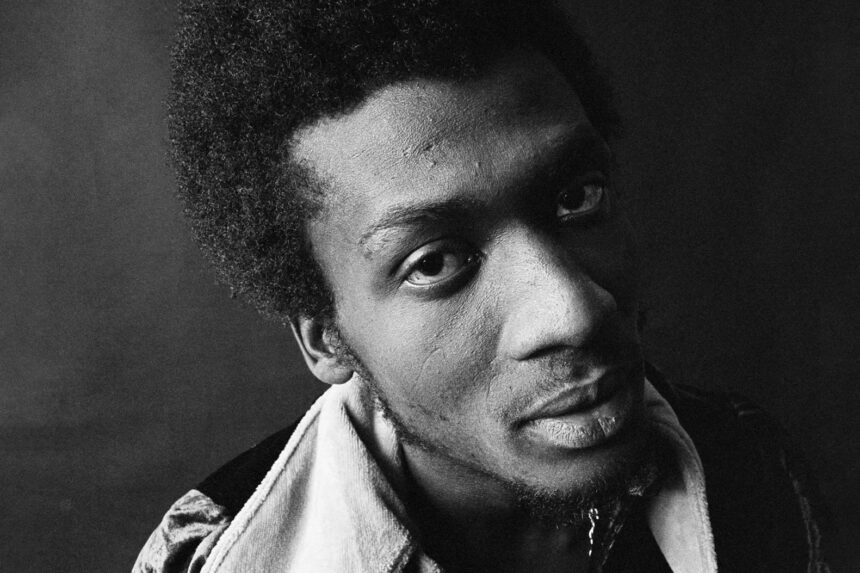
For my generation, many of us are unaware of who Jimmy Cliff is or was. However, for someone deeply engaged with art, culture, traditions, socio-economic issues, history, and the legends that have preceded us especially those who have significantly impacted the realm of art. It is nearly impossible to be oblivious Jimmy Cliff’s identity, even if one wished to be.
Follow Affirmations on Facebook
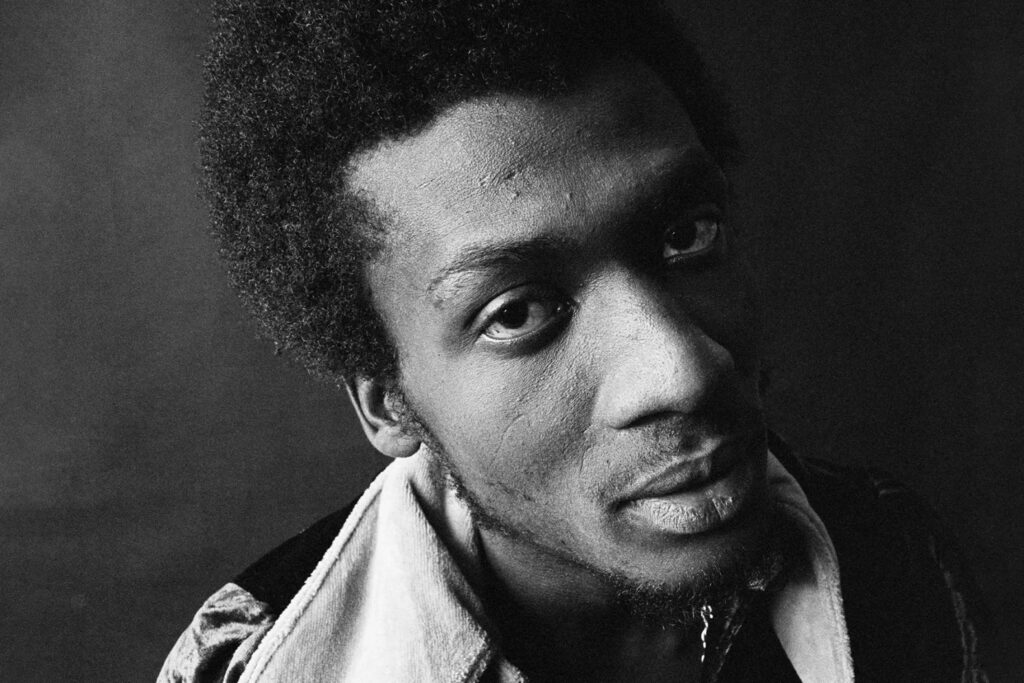
Born on 30 July 1944, James Chambers, also known as Jimmy Cliff, was a Jamaican musician celebrated for his contributions to ska, rocksteady, reggae, and soul music. Unfortunately, Mr. Cliff passed away on Monday, 24 November 2025, in Kingston, Jamaica, at the age of 81.
His wife, Latifa Chambers and the news were also publicised via Jimmy Cliff’s official Instagram Account, confirmed his passing through a statement on Instagram.
“It’s with profound sadness that I share that my husband, Jimmy Cliff, has crossed over due to a seizure followed by pneumonia,” she wrote.
Follow Affirmations Media on Instagram
“I am thankful for his family, friends, fellow artists and coworkers who have shared his journey with him.
“To all his fans around the world, please know that your support was his strength throughout his whole career.
Latifa continued to state that Jimmy, was her darling, and that may his soul rest in peace.
David Nesta “Ziggy” Marley, the Jamaican reggae artist, songwriter, producer, author, and philanthropist. As the eldest son of Bob Marley and Rita Marley, he also expressed his sentiments on the post by stating “JAH” in response to the tragic news regarding the death of Cliff.
Some refer to him as the star, but I prefer to call him a legend, since the 1960s, long before I was born, by the way [that’s not the point]. He is one of the most prominent global icons who contributed to introducing the sound of Jamaica to an international market and audience through his remarkable hits such as Wonderful World, Beautiful People, and You Can Get It If You Really Want.
Follow Affirmations Media on TikTok
Additionally, he played significant roles in the music industry, including his well-known portrayal of a gun-toting rebel in the 1972 crime drama, The Harder They Come, which is considered a cornerstone of Jamaican cinema and is credited with bringing reggae music to the United States of America.
The Life of the Legendary Jimmy Cliff
Born James Chambers in 1944, Cliff was the eighth of nine children raised in extreme poverty in the parish of St. James, Jamaica.
Gifted with a sweet, melodious voice, he started singing at his local church when he was six years old.
His desire to create his own music was sparked by listening to ska pioneer Derrick Morgan on the radio, prompting him to inquire with his woodwork teacher about the process of writing a song.
“He told me, ‘You just write it!’“ he told Mojo magazine.
”So I went ahead and… wrote a song called I Need A Fiancée, another called Sob Sob and I made a guitar out of bamboo to accompany myself.”
At the age of 14, he relocated to Kingston and adopted the surname Cliff to symbolise the heights he aspired to achieve.
Subscribe to Affirmations Media on YouTube
He released several singles before achieving success on the Jamaican charts with his original song, Hurricane Hattie.
In 1965, he moved to London to collaborate with Island Records – which later became the label for Bob Marley, but the label’s efforts to adapt his sound for rock audiences were initially met with failure.
He ultimately found success with the 1969 single Wonderful World, Beautiful People – a lively, uplifting anthem; and the more politically charged Vietnam, which Bob Dylan referred to as “the best protest song ever written.”
The lyrics narrate the experience of a young soldier writing from the battlefield, assuring his mother that he will return home soon; only for her to receive a telegram the following day, notifying her of his death.
In 1986, Cliff reflected on the song, sharing with reggae historian Roger Steffens: “The essence of my music is struggle. What gives it the icing is the hope of love.”
It is through the essence of struggle, hope, and love present in his music that he captured global attention and was celebrated as one of the most remarkable artists in reggae music.
The world collectively expressed heartfelt condolences for his passing, with Cat Stevens, born Steven Demetre Georgiou, being one of the most recent to post a lengthy tribute on his Facebook account. Cat Stevens is a British singer-songwriter renowned for his folk-rock classics from the 1970s, including “Wild World,” “Father and Son,” and “Peace Train.” In 1977, he embraced Islam and adopted the name Yusuf Islam. After a significant hiatus from mainstream pop music, he made a comeback to performing and recording as Yusuf / Cat Stevens in 2006.
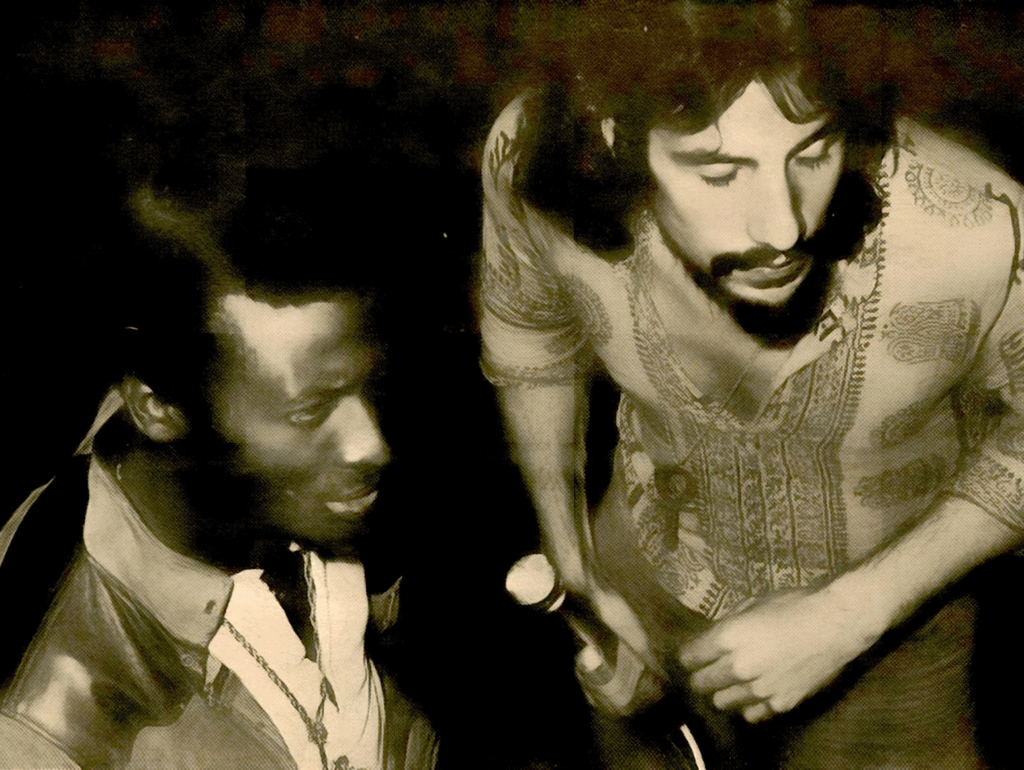
“Jimmy Cliff was a powerful presence in my life – he always seemed to be there at crucial stages on my journey,” Yusuf/Cat Stevens shared in a public Facebook post on the day of passing of Cliff.
“We had success together in the early days with Wild World, we bumped into each other by strange and wonderful coincidence on pilgrimage in Mecca, and we also connected at the Mandela 46664 Concert that marked my return to mainstream music. GOD BLESS HIM, his songs always had some message